
World AIDS Awareness & Screening
Project Description
World AIDS Day, observed every year on December 1st, has been dedicated since 1988 to raising awareness of the HIV/AIDS pandemic and remembering those who have lost their lives to the disease. AIDS is a life-threatening condition caused by the human immunodeficiency virus (HIV), which attacks the immune system and reduces the body’s resistance to infections.
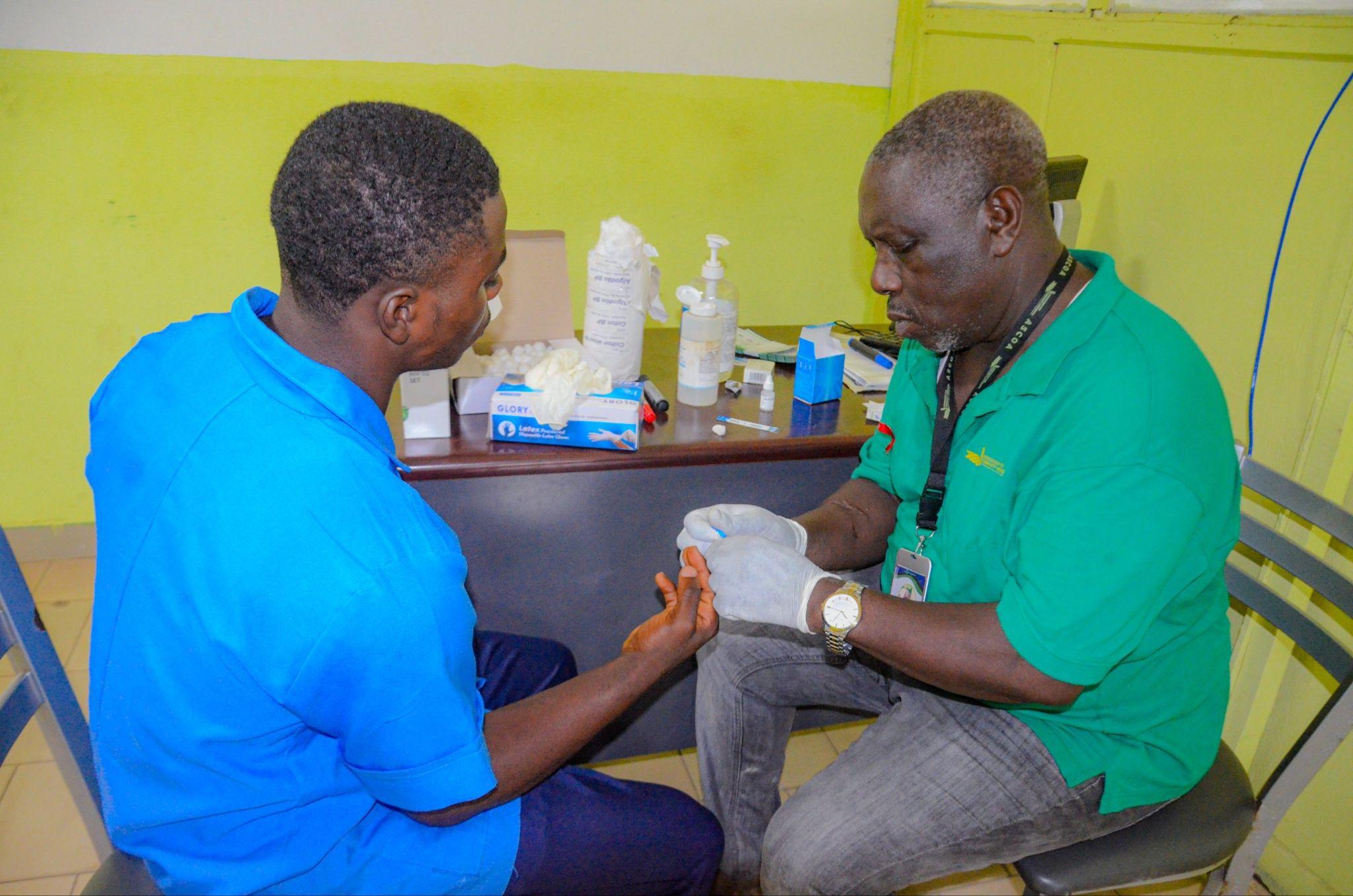
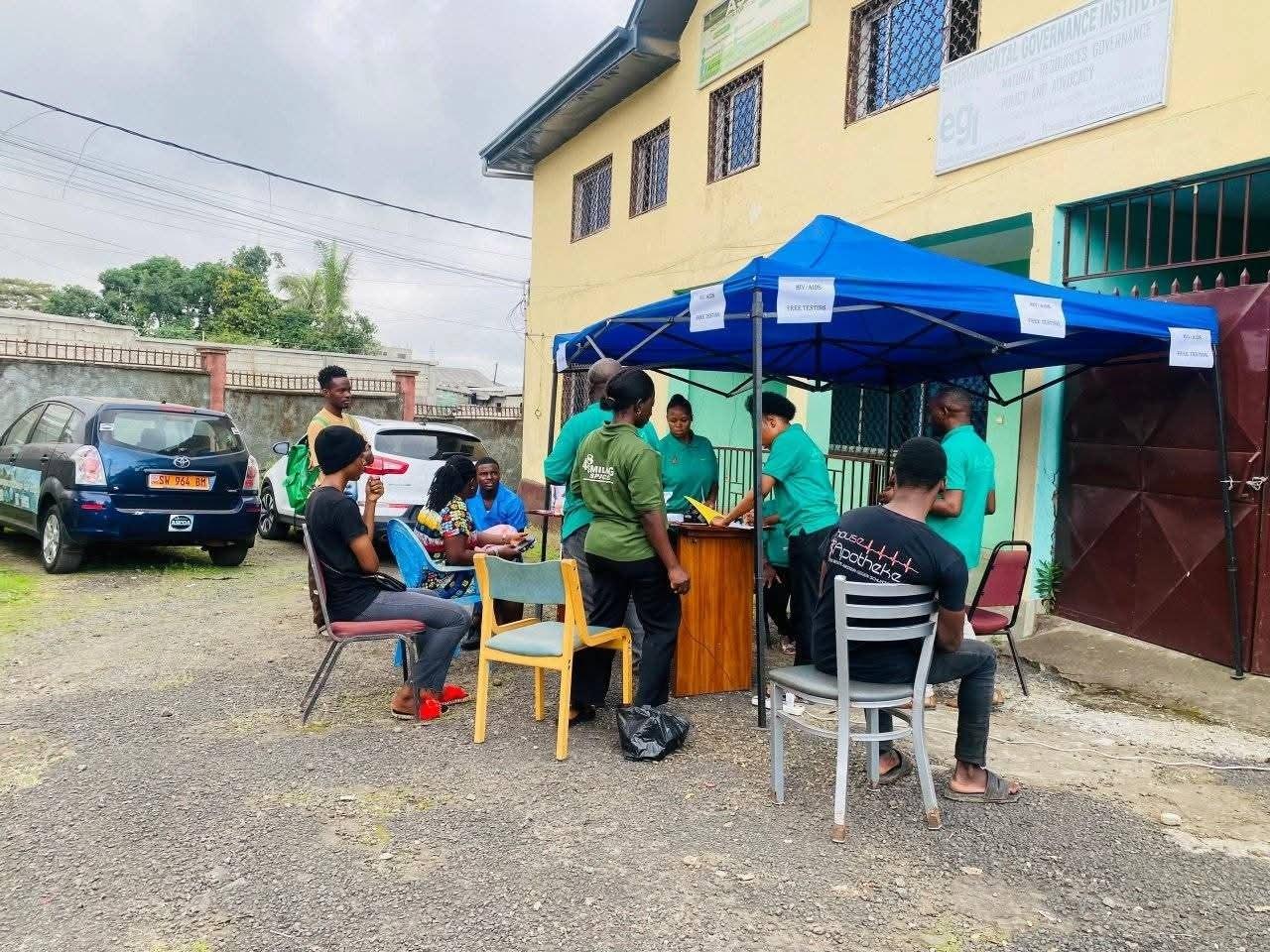
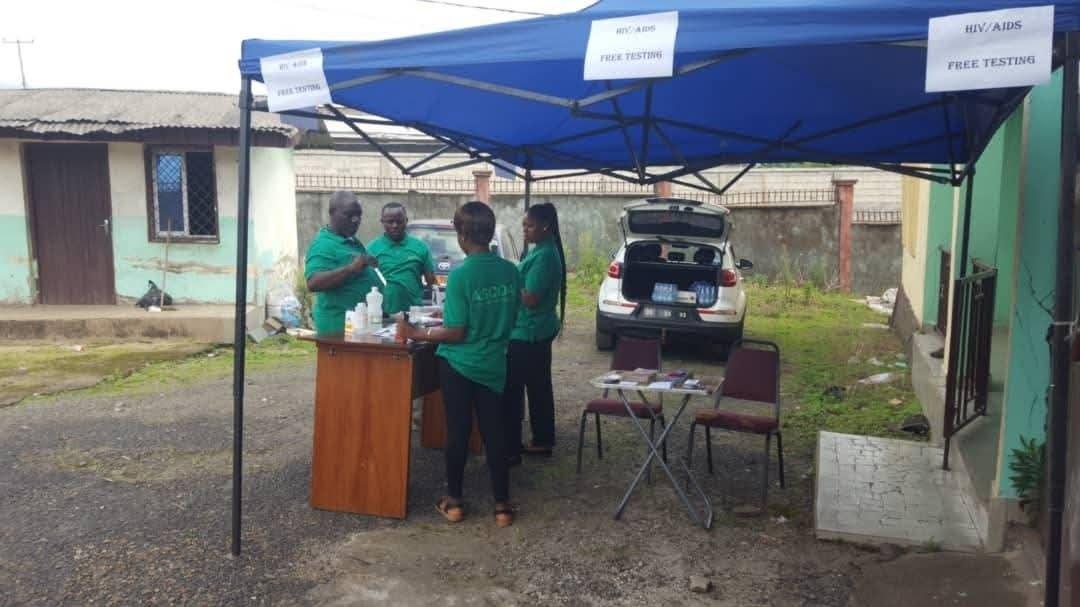
In 2023, the Association for Community Awareness (ASCOA) joined the global community to commemorate World AIDS Day under the theme “Let Communities Lead.” The event was held at ASCOA’s Office in Sandpit, Buea, in collaboration with the Regional Technical Group (RTG) Buea. Activities focused on sensitization, prevention, testing, and fighting stigma. ASCOA provided free HIV testing, counselling, and distributed condoms and educational materials to empower the community with knowledge and practical tools for prevention.
Objectives
To raise awareness about HIV/AIDS prevention and control.
To provide free HIV testing and counselling services.
To reduce stigma and promote empathy for people living with HIV.
To empower communities with accurate information on safe sex and STI prevention.
SDGs Concerned
This project contributes to the achievement of:
SDG 3: Good Health and Wellbeing – ensuring access to healthcare, reducing HIV prevalence, and promoting healthy lives.
SDG 10: Reduced Inequalities – addressing vulnerability among women and marginalized groups disproportionately affected by HIV/AIDS.
SDG 17: Partnerships for the Goals – working with government and civil society to achieve shared impact.
Outcomes and Relevant Data
During the event, ASCOA implemented activities such as online education through social media, community sensitization in Sandpit, poster displays, distribution of flyers and condoms (male and female), and HIV testing with pre- and post-test counselling. A total of 67 people were tested: 28 men and 39 women, with no children recorded. Community members expressed appreciation for the initiative, noting the importance of local organizations in bridging healthcare gaps. Condom distribution was particularly effective in promoting safer sex practices, which global studies confirm as one of the most cost-effective prevention tools against HIV.
Challenges
Despite successes, many individuals were hesitant to get tested due to fear, stigma, and lack of confidence in knowing their status. Volunteers had to use counselling, reassurance, and persistent encouragement to convince participants. This highlights the need for continuous community engagement, stigma reduction campaigns, and integrating HIV testing into routine community health activities.