
Community Water Quality Monitoring in Buea
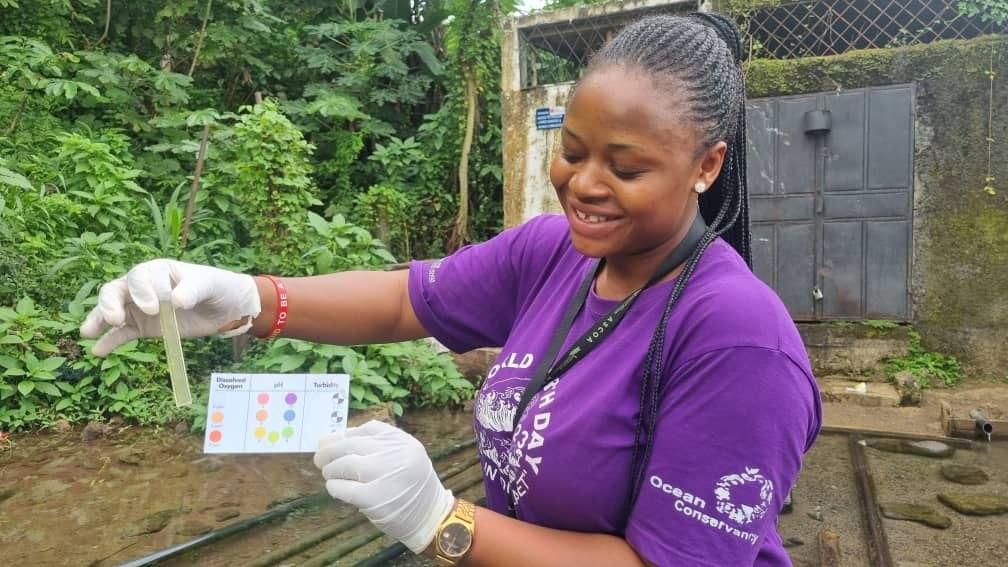
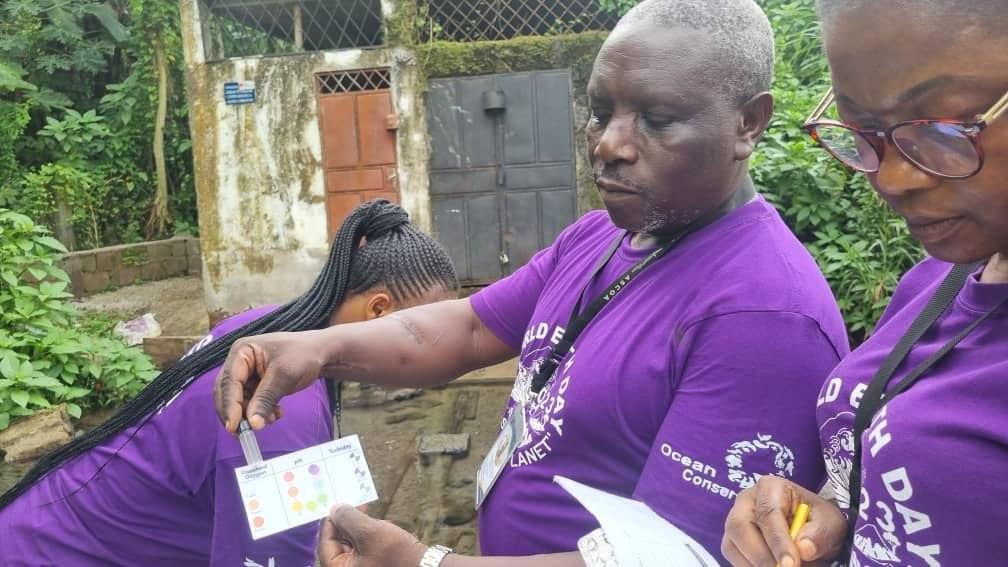
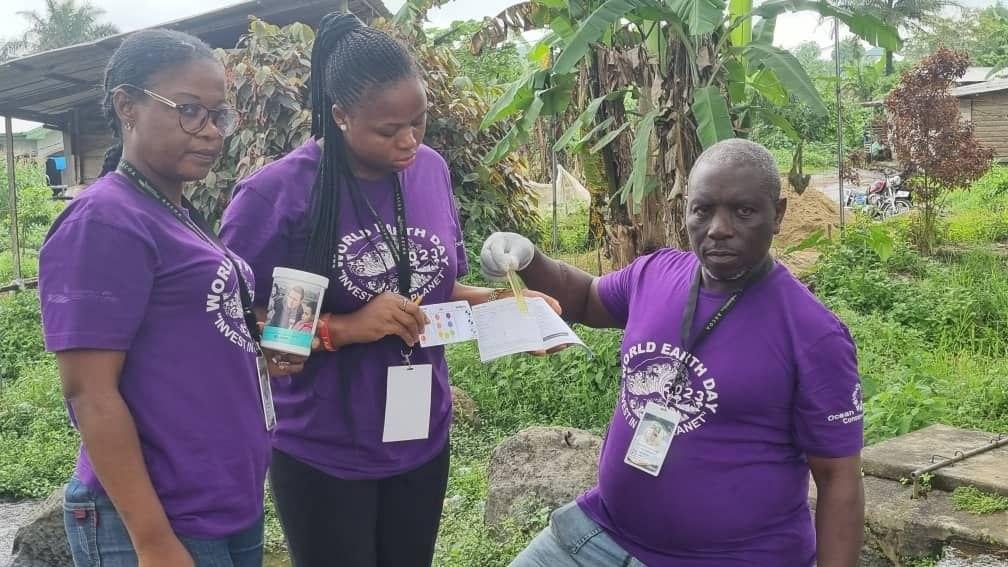
On December 30th 2023, the Association for Community Awareness (ASCOA) implemented a water quality evaluation activity in local catchments, using the internationally recognized EarthEcho testing method. This method helps assess water safety by measuring three key indicators: pH, turbidity, and dissolved oxygen. These parameters provide information about selected water-quality conditions and the aquatic environment. The activity was carried out in two major community water sources in Buea: the Mekongi (Sandpit) catchment and the Bokoko catchment. Both sources serve as vital supply points for their populations, making their assessment essential to public health.
Objectives
The goal of this project was to evaluate the safety of community water sources and raise awareness of the importance of water quality monitoring. By regularly screening water, ASCOA seeks to prevent health risks linked to contaminated water and to promote sustainable water management practices in vulnerable communities.
SDGs Concerned
This initiative directly contributes to SDG 3 (Good Health and Well-being) and SDG 6 (Clean Water and Sanitation). It also aligns indirectly with SDG 13 (Climate Action) by building resilience to water-related challenges intensified by climate change.
Outcomes / Relevant Data
At the Mekongi catchment, turbidity was measured at 0 JTU (acceptable), pH was neutral at 7, and dissolved oxygen was recorded at 4 ppm.
At the Bokoko catchment, turbidity was also 0 JTU, pH was 7, and dissolved oxygen was 0 ppm. These observations highlighted the need for follow-up investigation and monitoring.
ASCOA plans to return for follow-up evaluations to monitor changes over time, as water quality is dynamic and influenced by both natural and human activities. This project reflects ASCOA’s ongoing commitment to supporting community health through water-quality awareness, while also encouraging communities to take ownership in protecting their natural water sources.
Understanding the results
These field measurements alone do not establish whether water is safe to drink. Drinking-water safety assessment also requires appropriate microbiological testing and evaluation of other relevant risks.